
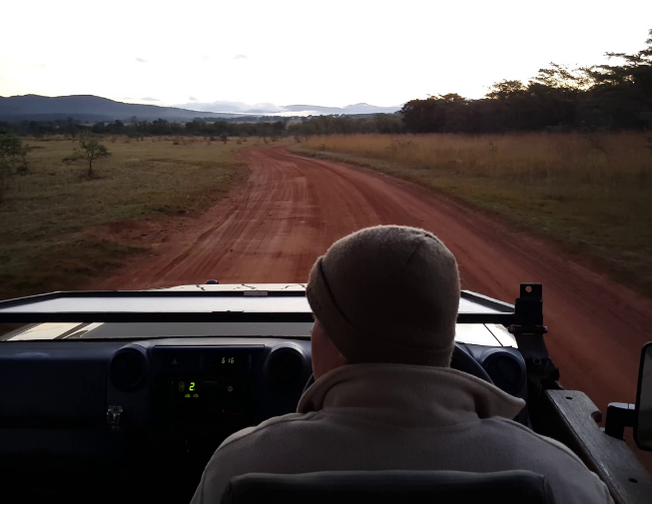
Choosing when to visit Kruger National Park can dramatically affect your safari experience. As someone who has guided countless safaris through South Africa’s premier wildlife reserve, Johan Pretorius of Johandrea Tours shares his insider knowledge on what to expect throughout the year.
Kruger National Park: A Year-Round Safari Destination
The first thing to understand about Kruger National Park is that it offers exceptional wildlife viewing every month of the year. Unlike some African parks that have limited access or poor game viewing during certain seasons, Kruger’s vast size, diverse habitats, and permanent water sources ensure wildlife encounters regardless of when you visit.
That said, each season brings distinct characteristics that make certain times better suited to different traveler preferences. Here’s what you need to know to choose your ideal safari period with Johandrea Tours.
Winter (May to September): Peak Safari Season
The South African winter months from May through September represent peak safari season at Kruger National Park, and for excellent reasons. Johan Pretorius considers this the optimal time for first-time safari visitors and wildlife photographers.
Temperature and Comfort: Daytime temperatures range from 68-82°F (20-28°C), with cooler nights between 45-55°F (7-13°C). The dry, crisp air makes game drives comfortable, with perfect conditions for spending extended hours in Johandrea Tours’ air-conditioned safari vehicle or during optional open-vehicle drives.
Wildlife Viewing: Winter is the dry season, meaning vegetation thins out and animals concentrate around permanent water sources. This creates exceptional viewing opportunities. Elephants, buffalo, and antelope gather at waterholes, attracting predators like lions and leopards. Johan’s extensive knowledge of Kruger’s landscape allows him to position your private group at these critical wildlife gathering points.
Photography: Clear skies, excellent visibility through sparse vegetation, and animals congregating predictably make winter months ideal for wildlife photography. The golden light of winter mornings and evenings adds warmth to your safari images.
Health Considerations: Malaria risk is at its lowest during winter months due to reduced mosquito activity. Low humidity and comfortable temperatures make this period particularly suitable for travelers with health considerations.
Spring (September to November): The Awakening
As winter transitions to spring, Kruger National Park undergoes a remarkable transformation. This shoulder season offers compelling advantages for safari travelers who can visit during these months.
Wildlife Activity: The latter part of the dry season (September-October) provides excellent game viewing as water sources remain scarce. By November, the first rains arrive, bringing the bush to life. Newborn wildlife appears across the park-impala lambs, zebra foals, and various bird species nesting. Predators take advantage of vulnerable young animals, creating dramatic wildlife encounters.
Temperature and Crowds: Daytime temperatures increase from comfortable to warm (75-90°F/24-32°C). Tourist numbers begin declining as the South African school holidays end, meaning Johandrea Tours can access prime viewing spots with fewer vehicles present.
Scenic Beauty: Spring brings flowering plants and trees to Kruger. The landscape transitions from brown and gold to vibrant greens, creating a different but equally beautiful backdrop for your safari experience.
Summer (December to February): The Green Season
Summer in Kruger National Park, while less popular with international tourists, offers a distinct safari experience that Johan actively recommends to certain travelers.
The Landscape: This is Kruger’s rainy season, transforming the park into a lush, green wonderland. Afternoon thunderstorms are common but typically brief, often adding dramatic skies to your safari photographs. The vegetation is at its most vibrant, and countless waterholes fill across the park.
Birdwatching: Summer is undeniably the best time for bird enthusiasts. Migratory species arrive from Europe and North Africa, joining Kruger’s resident bird population. The park hosts over 500 bird species, and summer offers the peak diversity. Johandrea Tours’ personalized approach means Johan can adjust game drives to focus on avian life for interested guests.
Wildlife Viewing Considerations: Thicker vegetation makes animal spotting more challenging, though experienced guides like Johan know where to find wildlife year-round. Many animals give birth during summer, and the abundance of food means animals disperse more widely rather than concentrating at waterholes.
Value and Availability: Summer represents the low season, meaning better availability for bookings with Johandrea Tours and potentially more flexible scheduling.
Autumn (March to May): The Balanced Choice
Autumn in Kruger National Park offers what many consider the perfect compromise between seasons. Johan Pretorius often recommends these months to travelers seeking excellent conditions without peak season crowds.
Weather: Temperatures moderate to comfortable levels (70-85°F/21-29°C), with decreasing rainfall as winter approaches. By May, you’re entering the dry season with all its wildlife viewing advantages, but before peak tourist numbers arrive.
Landscape: The bush remains relatively green from summer rains, but vegetation begins thinning, improving visibility. This creates an attractive middle ground-scenic beauty combined with good game spotting conditions.
Wildlife: Animals begin concentrating near water sources again as ephemeral water holes dry up. The end of the breeding season means you can still encounter young animals, now slightly larger and more active, creating photogenic moments.
Tourism: Autumn is considered a shoulder season, meaning Johandrea Tours can offer excellent value while maintaining the private, personalized service that defines our safaris.
Johan’s Recommendations Based on Your Priorities
Best Overall Safari Experience: June to August combines comfortable weather, excellent wildlife viewing, and optimal photography conditions.
Best Value and Weather Balance: April, May, or September offer the sweet spot of good conditions without peak season pricing or crowds.
Best Scenery and Birdlife: January to February showcases Kruger at its most dramatic and ecologically diverse.
Best for First-Time Safari Visitors: July to September provides the classic African safari experience with predictable weather and concentrated wildlife.
Planning Your Johandrea Tours Safari
Regardless of when you choose to visit Kruger National Park, Johandrea Tours creates private, guided experiences tailored to the season and your interests. Our 3-night Kambaku Safari and 4-night Ndlulamithi Safari can be scheduled year-round, while the fully customizable Shawu’s Dream Safari allows you to design the perfect itinerary for your preferred travel dates.
Johan’s lifetime of bush experience means he adapts game drives to seasonal conditions, ensuring exceptional wildlife encounters whether you visit during winter’s dry season or summer’s green abundance.
Contact tours@johandrea.com or call +27 71 632 7995 to discuss which season aligns best with your safari goals and to check availability for your preferred travel dates.